
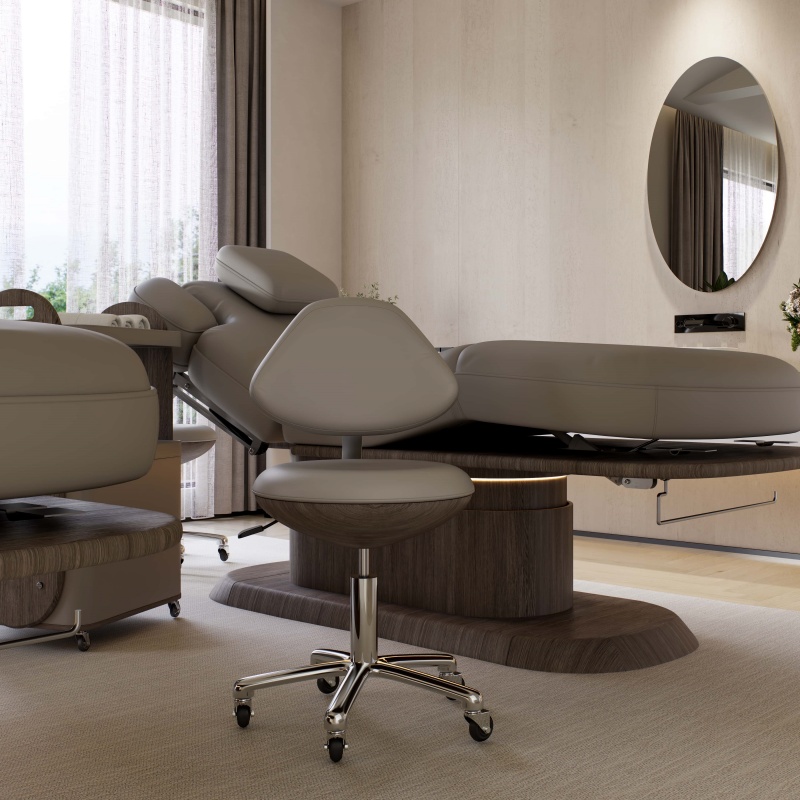
Choosing the right massage bed is critical for wellness professionals who want to provide comfortable and effective treatments. Two popular options—portable and stationary massage beds—each come with their own set of benefits and challenges. This article compares these two types of massage beds to help wellness centers, massage therapists, and spa owners make an informed decision based on their specific needs.
Understanding Portable and Stationary Massage Beds
Before diving into the pros and cons, it’s important to understand what sets portable and stationary massage beds apart. Portable massage beds are lightweight, foldable, and designed for mobility. They’re ideal for professionals who offer on-the-go services. Stationary massage beds, on the other hand, are heavier and designed to stay in one place. These beds often feature higher durability, additional storage options, and advanced ergonomic designs.

Key Differences: Portability, Stability, and Comfort
Let’s break down the major differences between portable and stationary massage beds based on portability, stability, and comfort:
- Portability: Portable massage beds are easy to fold and transport, making them perfect for mobile massage therapists or wellness professionals who visit clients. Stationary beds, however, are designed to remain fixed in a treatment room and are not practical for travel.
- Stability: Stationary beds are generally more stable due to their heavier frames and fixed legs. This makes them ideal for treatments that require significant pressure, such as deep tissue massage. Portable beds, while stable enough for most uses, may wobble slightly under heavier loads or during rigorous treatments.
- Comfort: Stationary beds often offer more padding, adjustable features (like electric height adjustments), and larger dimensions. Portable beds are designed to balance comfort with lightweight convenience, but they may not offer the same level of cushioning as stationary models.
Practical Examples and Use Cases
Each type of massage bed shines in specific scenarios. Consider these real-world examples to see which might suit your needs:
- Portable Massage Beds: A traveling massage therapist who visits clients’ homes would benefit from a lightweight, foldable bed that can be set up quickly. These beds are also useful for wellness centers that host outdoor or off-site events.
- Stationary Massage Beds: A spa or wellness center with dedicated treatment rooms would find stationary beds more practical due to their higher durability, ergonomic design, and ability to support heavy-duty treatments.
Factors to Consider When Choosing
When deciding between a portable or stationary massage bed, consider these factors:
- Frequency of Travel: If you frequently travel to clients, a portable massage bed is essential. For fixed-location services, a stationary bed is the better choice.
- Budget: Portable beds are generally more affordable, making them a good option for those starting out. Stationary beds, while more expensive, tend to last longer and provide a more premium experience.
- Space Availability: Portable beds can be stored away when not in use, making them ideal for small spaces. Stationary beds require dedicated room.
- Type of Treatments Offered: Heavier-duty treatments often benefit from the stability and durability of stationary beds, while lighter treatments or short sessions might work well on portable options.

Common Mistakes to Avoid
Here are some pitfalls to watch for when selecting a massage bed:
- Overlooking Weight Capacity: Ensure the bed can support the weight of your clients and any additional pressure applied during treatments.
- Ignoring Comfort Features: Skimping on padding or ergonomic features can negatively affect client satisfaction.
- Not Considering Storage Needs: Portable beds should be easy to fold and stow away, while stationary beds should offer practical storage for tools and supplies.
- Focusing Solely on Price: While cost matters, prioritizing quality and durability will save money in the long run.
Tips you need to know
Tip 1: Assess Your Client Base
Consider client demographics, treatment preferences, and whether you’ll need to travel to meet their needs.
Tip 2: Look for Adjustable Features
Height-adjustable beds, especially electric ones, can improve your posture and reduce strain during treatments.
Tip 3: Test Stability
If possible, test the stability of the bed before purchase to ensure it remains steady during treatments.
Tip 4: Think Long-Term
Invest in a bed that meets your anticipated needs for the next several years, not just your current requirements.