
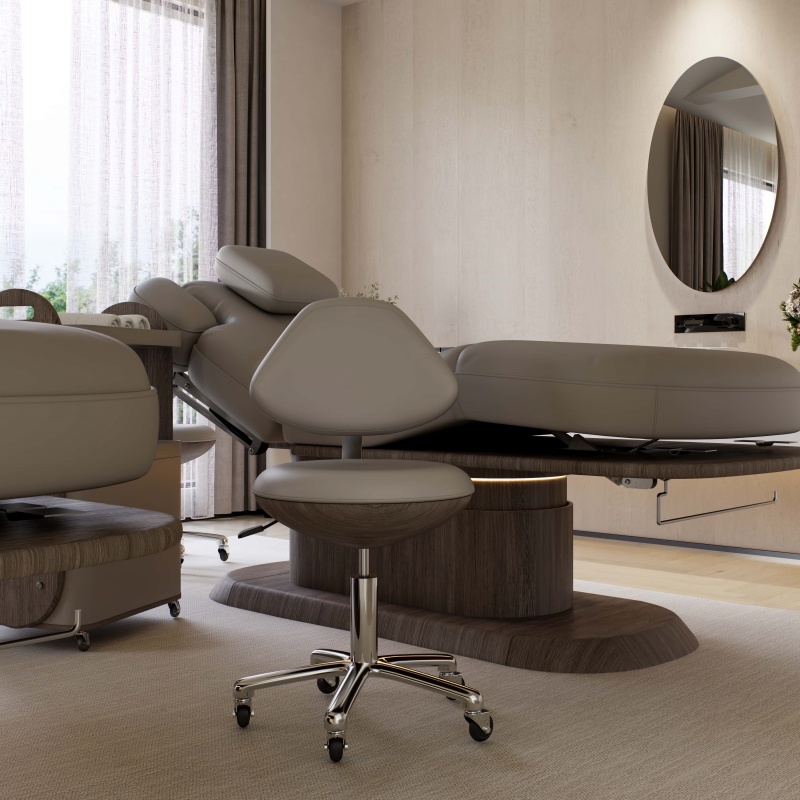
As obesity rates continue to rise globally, the demand for medical equipment tailored to bariatric patients has become increasingly urgent. One critical aspect of this is the design and functionality of heavy-duty treatment chairs, which must prioritize safety, comfort, and usability for both patients and healthcare providers. In this article, we’ll explore the essential features of bariatric medical equipment, focusing on weight capacity standards, safety considerations, and practical design elements.
What Are Bariatric Medical Chairs and Why Are They Important?
Bariatric medical chairs are specifically designed to accommodate patients with higher body weights, ensuring their comfort, dignity, and safety during medical treatments. These chairs are not limited to a single area of healthcare—they are used in dental clinics, outpatient centers, hospitals, and even salons. Their primary function is to provide a stable and accessible seating solution for patients who may exceed the weight limits of standard chairs.
Standard treatment chairs typically support weights up to 250–300 pounds, but bariatric chairs are engineered to handle much higher capacities, often ranging from 500 to 1,000 pounds or more. Beyond weight capacity, these chairs also address issues like wider seating areas, reinforced frames, and ergonomic designs that reduce pressure points for patients.
Key Features of Heavy-Duty Treatment Chairs
When selecting bariatric medical equipment, it’s essential to understand the core design features that set these chairs apart. Below are some of the most critical aspects to consider:
1. Enhanced Weight Capacity Standards
One of the most important factors is the chair’s maximum weight capacity. While standard chairs may fail under excessive loads, bariatric chairs are rigorously tested to ensure they can safely support higher weights. Always verify the specific weight limit, as this will vary between models and manufacturers. For example, dental chairs for bariatric patients often support up to 700 pounds, whereas heavy-duty pedicure chairs may support around 500 pounds.
2. Reinforced Frame and Materials
Durability is non-negotiable for bariatric equipment. Heavy-duty chairs typically feature reinforced steel or aluminum frames, as well as high-quality cushioning materials that can withstand frequent use without degrading over time. These materials are chosen not only for their strength but also for ease of cleaning and sanitization.
3. Wider Seat Dimensions
In addition to weight capacity, bariatric chairs often feature wider seating areas to accommodate patients comfortably. This ergonomic enhancement reduces pressure points and promotes better posture during treatments, particularly for longer procedures.
4. Adjustable Features for Accessibility
Height adjustability, reclining capabilities, and armrest modifications are critical for ensuring that the chair can be adapted to individual patient needs. These features also make it easier for healthcare providers to perform their tasks efficiently while minimizing strain.
Practical Considerations When Selecting Bariatric Equipment
Choosing the right bariatric chair involves more than just weight capacity. Here are some practical considerations to factor into the decision-making process:
1. Intended Use
Different healthcare settings require different features. A salon chair, for instance, may prioritize aesthetics and comfort, whereas a dental chair must focus on patient positioning and accessibility for oral procedures. Understanding the primary use case will help narrow down options.
2. Safety Features
Look for safety certifications, such as ISO standards, to ensure the chair meets rigorous testing requirements. Anti-tip mechanisms, sturdy footrests, and non-slip surfaces are additional features to consider.
3. Mobility and Storage
In some settings, portability is crucial. Chairs with wheels or collapsible features can be a valuable addition, particularly in multipurpose clinics with limited space.
Common Mistakes to Avoid
When investing in bariatric medical equipment, it’s important to avoid common pitfalls that could compromise patient safety or lead to higher costs:
1. Ignoring Weight Limits
Assuming that all chairs are “one size fits all” can lead to equipment failures and safety risks. Always verify the chair’s specific weight capacity before purchasing.
2. Overlooking Ergonomics
Comfort is as important as durability. A poorly designed chair can cause discomfort for patients and strain for healthcare providers, especially during long procedures.
3. Failing to Consider Provider Needs
Bariatric chairs should not only accommodate patients but also ensure that providers can work effectively. Adjustable heights and tilt features are essential for reducing provider fatigue.
4. Neglecting Long-Term Maintenance
Durable materials and easy-to-clean surfaces are essential for ensuring the chair remains functional over time. Neglecting these factors could lead to higher maintenance costs or early replacements.
Tips you need to know
Tip 1: Always Verify Weight Capacity
Ensure the chair’s weight capacity aligns with your patient demographic to avoid safety risks.
Tip 2: Prioritize Ease of Adjustability
Look for chairs with height and tilt adjustments to accommodate diverse patient and provider needs.
Tip 3: Choose Durable, Easy-to-Clean Materials
Opt for materials that can withstand heavy use and are simple to sanitize between patients.
Tip 4: Don’t Forget Safety Features
Anti-tip mechanisms and secure armrests are crucial for ensuring patient safety during use.