
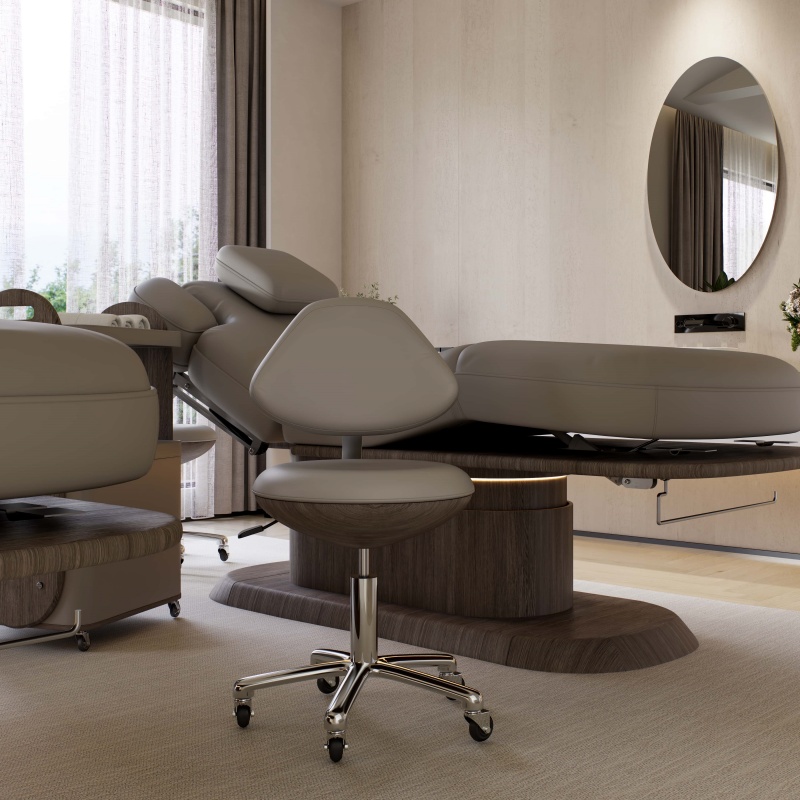
Creating a functional and welcoming esthetician room is crucial for providing top-notch client services and optimizing your workflow. Whether you’re setting up a space for the first time or looking to refine your current setup, this article will guide you through the essentials every esthetician room needs, from dimensions and layout to must-have supplies and equipment.
The Importance of an Efficient Esthetician Room Setup
An esthetician room isn’t just a workspace; it’s an environment that directly impacts client comfort, safety, and your efficiency. A well-thought-out layout ensures you can move freely while keeping essential tools within reach. Additionally, a professional setup enhances client trust and satisfaction, which can translate into repeat business and positive referrals.
When planning your room, the key is balancing functionality and aesthetics. Your space should be as inviting as it is practical. A cluttered or poorly organized area can lead to inefficiencies and even safety hazards.
Key Dimensions and Layout Considerations
While esthetician rooms can vary in size, aiming for a space that is at least 10×12 feet allows adequate room for essential equipment and client comfort. Here are some layout considerations to prioritize:
- Treatment area: Your treatment bed should be the focal point, positioned to allow free movement on all sides. Ensure there’s enough space for you to maneuver comfortably while performing treatments.
- Storage solutions: Include shelves, drawers, or cabinets for storing supplies like towels, skincare products, and tools. Consider wall-mounted options to maximize floor space.
- Lighting: Natural light is ideal, but if that’s not an option, invest in adjustable LED lighting to create a soothing ambiance while ensuring you have adequate visibility for detailed work.
Essential Supplies and Equipment for Your Esthetician Room
Stocking your esthetician room with the right supplies is critical for both functionality and professionalism. Here’s a checklist of essentials:
- Treatment bed: A comfortable, adjustable bed with a face cradle is a must-have for providing a range of services.
- Sanitization equipment: UV sanitizers, disinfectant sprays, and hand sanitizers are essential for maintaining hygiene standards.
- Magnifying lamp: Helps to provide a closer view for detailed procedures like extractions and skin analysis.
- Hot towel cabinet: Keeps towels warm and ready for treatments like facials and massages.
- Skincare products: A variety of cleansers, masks, serums, and moisturizers tailored to different skin types.
- Storage carts: Mobile carts with multiple compartments can help keep your tools organized and within reach.
Additionally, invest in high-quality linens and disposable items like gloves, cotton pads, and spatulas to maintain cleanliness and provide a premium experience.
Maintaining Hygiene and Meeting Legal Requirements
Hygiene is non-negotiable in an esthetician room. Proper sanitization procedures not only protect your clients but also ensure compliance with local health regulations. Here are some practices to implement:
- Clean tools between clients: Use appropriate sterilization methods for reusable tools.
- Disinfect surfaces: Regularly wipe down treatment beds, countertops, and equipment with approved disinfectants.
- Use disposable items where possible: Single-use gloves, applicators, and sheets reduce the risk of cross-contamination.
- Display licenses and certifications: Ensure your room visibly displays all required permits and certifications to build client trust and comply with regulations.
Common Mistakes to Avoid in Your Setup
Even with the best intentions, it’s easy to overlook certain aspects when setting up an esthetician room. Avoid these common pitfalls:
- Overcrowding the space: Too much equipment or furniture can make the room feel cramped and unprofessional.
- Neglecting storage: Without adequate storage, tools and supplies can become disorganized, slowing down your workflow.
- Ignoring ventilation: Proper airflow is essential, especially when using products with strong scents or chemicals.
- Skipping ergonomic considerations: Ensure your setup allows you to work comfortably to avoid strain or injury over time.
Tips you need to know
Tip 1: Start with a floor plan
Sketch out your room layout before purchasing furniture or equipment. This helps you optimize space and avoid unnecessary expenses.
Tip 2: Prioritize multitasking equipment
Invest in tools that serve multiple purposes, like combination steamer-magnifying lamps, to save space and money.
Tip 3: Test the client experience
Lie on the treatment bed and walk through the room as a client would to identify areas for improvement in comfort or accessibility.
Tip 4: Stay compliant with regulations
Check local health and safety standards to ensure your setup meets all legal requirements, including proper disposal of waste.