
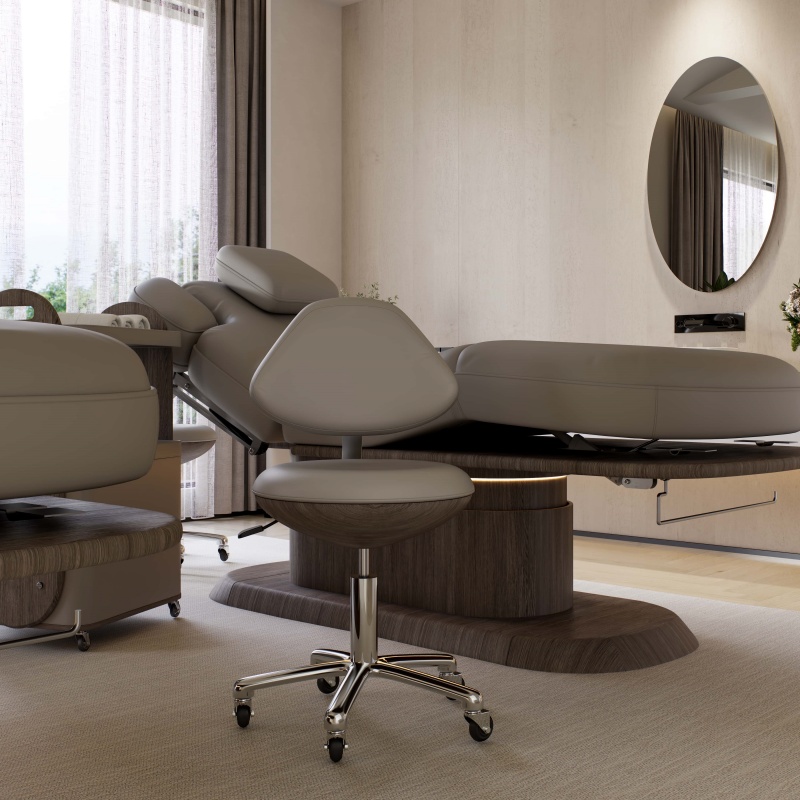
Designing a holistic massage room involves more than just choosing a table and some decorations. The right environment can significantly enhance your client’s experience by promoting relaxation and healing. This guide is for massage therapists, spa owners, or anyone looking to create a calming space that aligns with holistic wellness principles.
Understanding the Role of Lighting and Ambiance
Lighting and ambiance are central to creating a massage room that feels inviting and tranquil. Poor lighting can disrupt relaxation, while the right lighting can help clients ease into a state of calm. Modern trends in massage room design emphasize flexibility, enabling therapists to adjust the environment based on individual client needs.

For example, soft, warm lighting works well for relaxation-focused massages, while brighter, cooler lighting may be better suited for sports massages or therapeutic treatments. Integrating dimmable lights or smart lighting systems allows you to adapt the room’s ambiance effortlessly.
Choosing Colors and Textures to Promote Calm
Color psychology plays a vital role in holistic room design. Neutral colors such as beige, soft gray, or pastel tones are ideal for creating a calming environment. Avoid overly vibrant or dark colors, as they can feel overwhelming or oppressive.
Textures also contribute to the sensory experience. Incorporate soft fabrics like cotton or linen for your massage table covers, curtains, and pillows. Adding natural materials such as wood or stone can further enhance the organic feel of the room, connecting your clients to a sense of grounding and serenity.
Incorporating Multi-Sensory Elements
A holistic massage room should engage all the senses. Beyond lighting and colors, consider sound, scent, and temperature:
- Sound: Use calming music or nature sounds to drown out external noise and create a soothing atmosphere. Invest in a good speaker system or white noise machine for consistent quality.
- Scent: Aromatherapy is an excellent way to enhance relaxation. Essential oils like lavender, eucalyptus, or chamomile can be diffused during sessions, but always check for client allergies beforehand.
- Temperature: Ensure the room is comfortably warm, as clients will often have reduced clothing during their massage. Use portable heaters or heated blankets if necessary.
Practical Layout Tips for a Functional Space
Beyond aesthetics, the layout of your massage room impacts its functionality. Start by ensuring there’s enough space for the therapist to move freely around the massage table. Avoid clutter, as it can disrupt the flow of energy and create unnecessary distractions.

Storage is another key consideration. Keep oils, towels, and other supplies neatly organized and within reach, but hidden from view to maintain a clean and uncluttered look. A small cabinet or discreet shelving unit can help achieve this balance.
Finally, think about the placement of mirrors, artwork, or plants. These elements should complement the room’s purpose without overwhelming the space. For instance, a single piece of serene artwork or a small indoor plant can add a touch of character while maintaining the overall calm vibe.
Common Mistakes to Avoid
When designing a massage room, it’s easy to overlook certain details that can detract from the overall experience. Here are some common pitfalls to watch out for:
- Overly bright lighting: Harsh lights can feel clinical and disrupt relaxation. Always opt for dimmable or soft lighting options.
- Cluttered spaces: Too much furniture or décor can make the room feel cramped. Keep the design minimalist and functional.
- Ignoring client comfort: Ensure that the massage table, linens, and room temperature are tailored to client needs.
- Strong or overpowering scents: While aromatherapy can enhance the ambiance, overly strong scents may cause discomfort for some clients.
Tips you need to know
Tip 1: Use adjustable lighting
Install dimmable lights or smart bulbs to tailor the ambiance to each client’s preferences.
Tip 2: Test aromatherapy options
Always check for allergies or sensitivities before using essential oils in your massage room.
Tip 3: Incorporate natural elements
Wood and stone finishes can add a grounding effect, making the room feel more connected to nature.
Tip 4: Invest in soundproofing
Reducing external noise ensures a more immersive and relaxing experience for clients.