
Opening a medical spa is an exciting but complex endeavor that combines the aesthetics industry with medical-grade services. Whether you’re a healthcare professional or an entrepreneur, understanding the legal, operational, and financial steps is critical to success. In this article, we’ll break down everything you need to know, from compliance to key equipment, to help you navigate this growing industry with confidence.
Understanding the Legal Landscape
The first and most critical step in opening a medical spa is understanding and adhering to state and federal regulations. Each state has unique laws concerning ownership, medical supervision, and the delegation of medical procedures.
For instance, in California, only licensed physicians can own and operate a medical spa. In contrast, Florida allows registered nurses (RNs) to open med spas under specific conditions, provided they collaborate with a medical director. Failure to comply with these laws can result in fines, loss of licenses, or even closure.
Consult a healthcare attorney to navigate compliance requirements, including scope of practice laws, medical director contracts, and insurance policies. State-specific regulations are non-negotiable and will determine who can legally perform treatments like Botox or laser therapy under your roof.
Essential Equipment Needed to Open a Medical Spa
Equipping your medical spa is another cornerstone of the setup process. The equipment you need will largely depend on the services you plan to offer, but most med spas require a mix of medical-grade devices and supportive tools.
Some essentials include:
- Laser Devices: Used for hair removal, skin resurfacing, and pigmentation treatments.
- Injectable Tools: Syringes, fillers, and Botox supplies for aesthetic enhancements.
- Facial Machines: Devices for microdermabrasion, chemical peels, or hydrafacials.
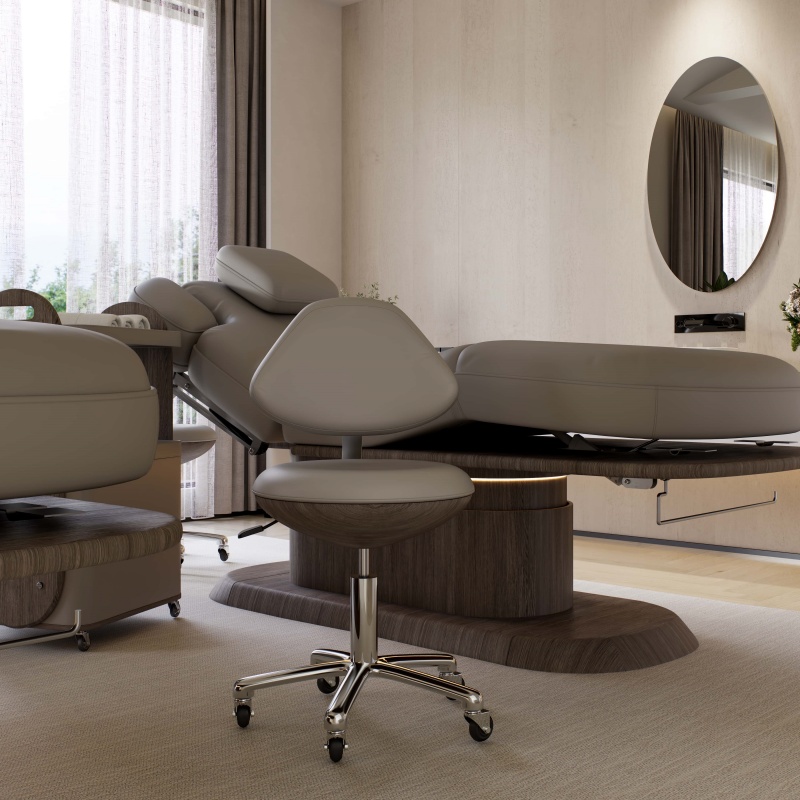
- Examination Tables: Adjustable tables for patient comfort during procedures.
Investing in high-quality, FDA-approved equipment ensures patient safety and compliance with medical standards. Leasing or financing options are available for those looking to reduce upfront costs, but ensure you budget adequately for ongoing maintenance and training.
Staffing and Training: Building the Right Team
Staffing is another critical element of a successful medical spa. Your team will typically include licensed medical professionals, such as nurse practitioners (NPs), physician assistants (PAs), or registered nurses (RNs), alongside aestheticians and administrative staff.
Proper training is non-negotiable. Even the most advanced equipment and services can backfire if your staff lacks the expertise to use them. Look for training programs that provide hands-on experience, such as injection courses or laser certification programs. Industry associations like the American Med Spa Association (AmSpa) often offer boot camps and continuing education resources tailored for med spa professionals.
Financial Planning and Common Challenges
Starting a medical spa requires significant financial planning. The initial investment typically ranges from $250,000 to $1 million, depending on location, size, and service offerings. Key expenses include rent, equipment, licensing fees, and employee salaries.
One common challenge is underestimating the time it takes to become profitable. While the med spa industry is lucrative, with some facilities generating annual revenues of $1 million or more, it often takes six months to a year to break even. To mitigate risks, create a detailed business plan that includes a cash flow analysis and projected ROI.
Another challenge is competition. The med spa industry is growing rapidly, which means you’ll need a strong marketing plan and unique value propositions to stand out. Consider offering niche services or loyalty programs to build a dedicated client base.
Tips you need to know
Tip 1: Start with a Niche
Instead of offering every service, focus on one or two specialties you can excel at, such as injectables or laser treatments. This helps you build expertise and a loyal client base.
Tip 2: Prioritize Location
Choose a location that aligns with your target demographic. High-income neighborhoods or areas with strong demand for aesthetic services are ideal.
Tip 3: Don’t Skimp on Marketing
Invest in professional branding, a user-friendly website, and social media campaigns to attract and retain clients. Word-of-mouth also plays a significant role in this industry.
Tip 4: Stay Updated on Trends
The aesthetics industry evolves quickly. Keep up with new treatments and technologies to remain competitive and meet client expectations.