
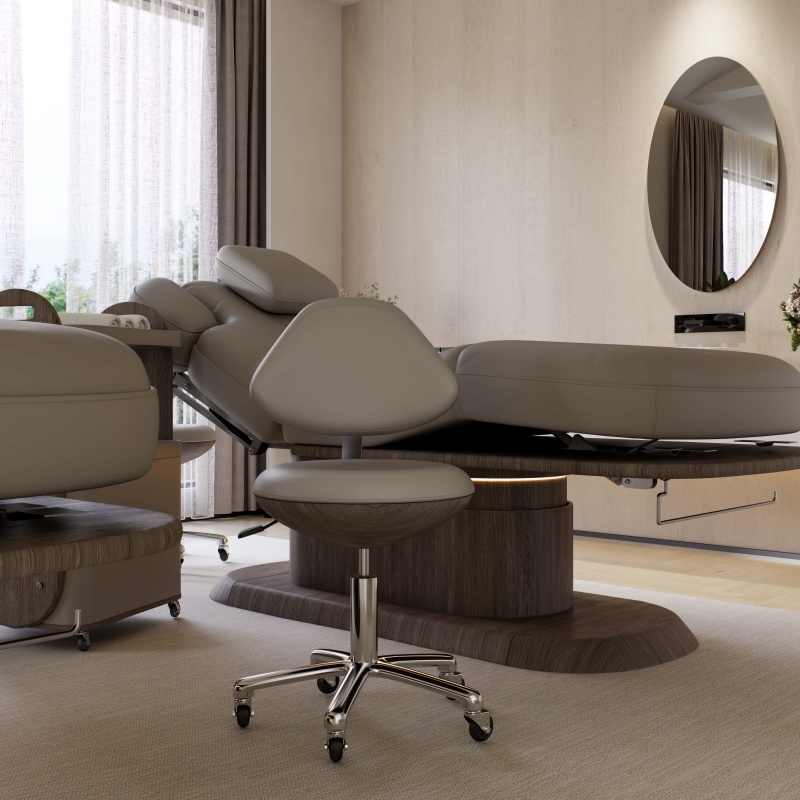
Running a salon means more than just ensuring clients leave happy—it’s about creating an environment where your stylists can thrive too. One often overlooked aspect is the importance of ergonomically designed hairdressing chairs. This guide will help salon owners and stylists understand how ergonomics in salon chairs can prevent technician fatigue, improve performance, and enhance overall well-being.
Why Ergonomics Matters in Hairdressing Chairs
Long hours of standing, repetitive hand movements, and maintaining awkward postures can lead to fatigue and long-term health issues for hairstylists. Ergonomically designed salon chairs are essential because they reduce strain on the body, improve posture, and help prevent musculoskeletal disorders. By minimizing physical discomfort, these chairs allow stylists to focus more on their craft and less on physical strain.
For example, chairs with adjustable height and lumbar support ensure that stylists can work comfortably, no matter their height or the task they’re performing. Without these features, a stylist may be forced to hunch over, leading to back, neck, and shoulder pain over time.
Key Features of Ergonomic Salon Chairs to Consider
Not all salon chairs are created equal, and understanding which features contribute to ergonomic design can help you make an informed decision. Here are some key elements to look for:
- Adjustable Height: Allows stylists to work at a comfortable level, reducing the need to bend or stretch excessively.
- Swivel Functionality: Enables easy movement without the need to twist or strain the body.
- Proper Lumbar Support: Supports the natural curve of the spine, preventing lower back pain.
- Sturdy Footrests: Provides a place for clients to rest their legs, ensuring a balanced posture for both the client and stylist.
- Seat Padding: High-density foam or memory foam improves comfort for clients, which indirectly benefits the stylist by reducing the need for frequent adjustments.
By incorporating these features, you can create a salon environment that prioritizes both employee health and client comfort.
Practical Steps to Implement Ergonomic Solutions in Your Salon
Now that you understand the importance of ergonomic chairs, here’s how you can integrate these solutions into your salon:
- Audit Your Current Setup: Evaluate the chairs and workstations you already have. Identify areas where your current furniture falls short in terms of adjustability and support.
- Educate Your Team: Teach your stylists about the importance of proper posture and how to adjust chairs and equipment to suit their needs.
- Replace or Upgrade: Invest in ergonomic chairs or purchase add-ons like lumbar cushions or footrests to enhance existing furniture.
- Arrange Workstations Strategically: Ensure there’s enough space around each chair for stylists to move freely without straining.
These steps not only improve the physical well-being of your team but also increase efficiency and job satisfaction in the long run.
Common Mistakes to Avoid When Choosing Ergonomic Chairs
Even with the best intentions, it’s easy to make mistakes when selecting ergonomic salon furniture. Here are some pitfalls to watch out for:
- Ignoring Adjustability: A chair that doesn’t adjust to fit your stylists’ different heights and working styles defeats the purpose of ergonomic design.
- Focusing Only on Aesthetics: While appearance is important for salon branding, functionality should never be sacrificed for style.
- Overlooking Client Comfort: Remember, an ergonomic chair benefits both the stylist and the client. A poorly designed chair may cause clients to shift uncomfortably, disrupting the stylist’s workflow.
- Not Testing Before Buying: Always test chairs in person if possible. What looks good on paper may not feel as supportive or adjustable as you’d expect.
Avoiding these mistakes will help you make a smart investment that pays off in the form of healthier, happier stylists and satisfied clients.
Tips you need to know
Tip 1: Prioritize Adjustability
Choose chairs that allow for height, backrest, and tilt adjustments to accommodate different body types and tasks.
Tip 2: Educate Stylists on Posture
Provide training on how to use ergonomic features effectively to maintain good posture throughout the day.
Tip 3: Regularly Inspect Chairs
Check for wear and tear on a regular basis to ensure the chairs remain supportive and safe for use.
Tip 4: Balance Budget with Quality
While budget constraints are understandable, prioritize quality and ergonomic features over cost to avoid frequent replacements.