
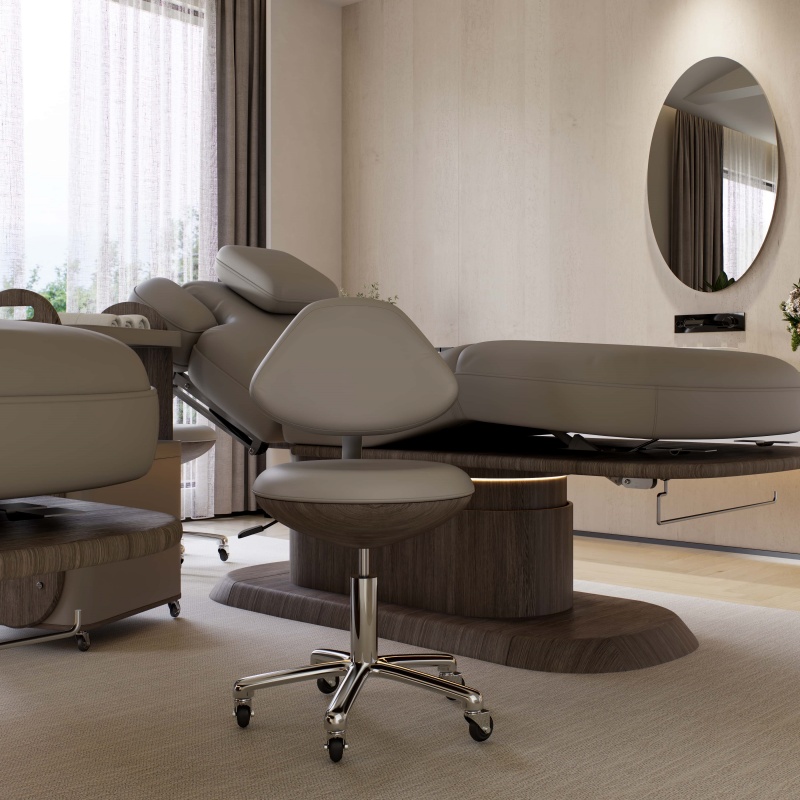
Maintaining spa equipment is a vital but often overlooked aspect of running a successful salon business. Proper upkeep not only ensures smooth operations but also protects your investment and creates a safe, professional experience for clients. This guide is designed for salon owners and managers who want to implement an effective maintenance schedule for their spa equipment, helping you avoid service interruptions, unexpected costs, and reputational risks.
Understanding the Importance of Spa Equipment Maintenance
Spa equipment is the backbone of your salon, from massage tables and steam machines to foot spas and facial equipment. Regular maintenance is essential to ensure these tools function properly and safely. Neglecting maintenance can lead to equipment failures, higher repair costs, and even safety hazards for both staff and clients. Additionally, poorly maintained equipment may compromise the quality of treatments, affecting customer satisfaction and retention.
By adopting a proactive maintenance approach, you can reduce downtime, extend the lifespan of your equipment, and keep your business running smoothly. A well-maintained spa demonstrates professionalism and care, which clients will notice and appreciate.
Elements of a Comprehensive Spa Equipment Maintenance Plan
Developing a robust maintenance plan involves several key components. Below are the foundational elements you should consider when creating a checklist for your salon:
1. Daily Inspections
Start each day by visually inspecting your equipment for wear and tear, leaks, or unusual noises. For example, check that your massage tables are stable, your steam machines are heating properly, and your foot spas are free of residue.
2. Cleaning and Disinfection
Hygiene is non-negotiable in the beauty industry. Clean and sanitize all equipment after each use, following the manufacturer’s cleaning guidelines. For instance, use non-abrasive cleaners for delicate surfaces and ensure that tools like facial steamers are emptied and dried to prevent mold growth.
3. Regular Calibration
Many spa devices, such as laser machines or microdermabrasion tools, require precise calibration to function correctly. Schedule regular calibration checks to ensure accuracy and maintain the effectiveness of treatments.
4. Seasonal Deep Maintenance
At least once every quarter, conduct a deep maintenance session. This can include tasks like lubricating moving parts, replacing filters, or checking electrical components. If necessary, hire a professional technician to perform in-depth servicing for complex equipment.
How to Create a Monthly Maintenance Schedule
Breaking your maintenance tasks into a monthly schedule can make it easier to manage and ensure that nothing is overlooked. Here is a sample framework:
Week 1: Perform a full inspection of all equipment and document any issues. Replace worn-out parts as needed.
Week 2: Focus on cleaning tasks that go beyond daily requirements, such as deep-cleaning foot spas or unclogging vents in dryers.
Week 3: Schedule calibration checks for precision equipment. If needed, consult with manufacturers or hire professionals.
Week 4: Review your maintenance log to ensure all tasks are completed and prepare for the next month’s schedule.
Common Mistakes to Avoid in Equipment Maintenance
Even with the best intentions, some common pitfalls can undermine your maintenance efforts. Here’s what to watch out for:
- Skipping the Manufacturer’s Guidelines: Each piece of equipment comes with specific maintenance instructions. Ignoring these guidelines can lead to improper care and void warranties.
- Neglecting Record-Keeping: Failing to document maintenance activities can make it difficult to track repairs and replacements. A simple logbook or digital system can help.
- Procrastinating on Repairs: Small issues, like a loose knob or minor leak, can escalate into costly problems if not addressed promptly.
- Using Incorrect Cleaning Products: Harsh chemicals can damage certain materials, so always check compatibility with your equipment.
Tips you need to know
Tip 1: Create a Maintenance Log
Keep a detailed record of all maintenance activities, including dates, tasks performed, and any issues identified. This will help you track patterns and plan future maintenance more effectively.
Tip 2: Train Your Staff
Ensure that all team members are familiar with basic maintenance tasks, such as cleaning and inspecting equipment. Provide training sessions to cover proper procedures.
Tip 3: Consult Professionals
For advanced equipment like lasers or microdermabrasion tools, schedule periodic check-ups with certified technicians to ensure everything is in top condition.
Tip 4: Stock Spare Parts
Keep an inventory of commonly replaced parts, such as filters and seals. This minimizes downtime when repairs are needed.