
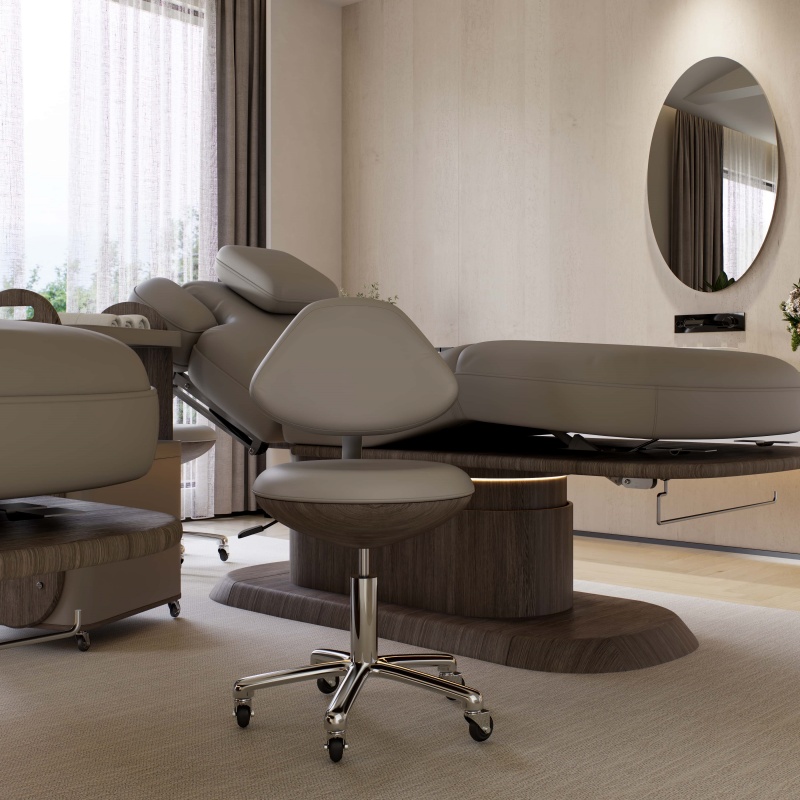
Choosing the right facial bed or chair is crucial for estheticians and skincare professionals. The right equipment not only ensures client comfort but also enhances the efficiency of advanced skincare treatments. In this guide, we’ll walk you through the key considerations to help you make an informed decision that suits your practice’s needs.
Understanding the Role of Facial Beds and Chairs in Skincare Treatments
Before diving into specifics, it’s essential to understand why the choice of facial beds or chairs matters. These pieces of equipment are central to delivering professional skincare treatments. They must accommodate a wide range of services, from basic facials to advanced procedures like chemical peels or microdermabrasion. Additionally, they must provide ergonomic support both for the client and the professional performing the service. Poor equipment can lead to discomfort, inefficient workflows, and even injuries over time.
What to Consider When Choosing a Facial Bed or Chair
Not all facial beds or chairs are created equal. Here are the most important factors to evaluate:
- Functionality: Look for adjustable features such as reclining backrests, height adjustability, and leg support. These allow you to customize the position for various treatments and client comfort.
- Comfort: The padding and upholstery should provide sufficient cushioning and support for clients during longer treatments. Materials should also be easy to clean and disinfect.
- Durability: Check for sturdy construction and high-quality materials. A durable bed or chair will withstand frequent use over the years.
- Size and Space: Consider the dimensions of your treatment room. Compact designs may be better for smaller spaces, while larger setups can accommodate more features.
- Design and Aesthetics: A visually appealing piece can enhance the overall ambiance of your salon or spa, aligning with your brand image.
Comparing Fixed vs. Electric Facial Beds
One of the biggest decisions you’ll face is choosing between fixed and electric beds. Each has its own advantages and limitations:
| Feature | Fixed Beds | Electric Beds |
|---|---|---|
| Adjustability | Limited, often manual | Highly adjustable with motorized controls |
| Cost | Lower initial investment | Higher upfront cost |
| Suitability | Good for basic treatments | Ideal for advanced or customizable treatments |
| Maintenance | Minimal maintenance required | May require occasional servicing |
Electric beds are generally preferred for practices offering advanced treatments, as their flexibility and ease of use can accommodate a wider range of client needs.
Practical Tips for Making the Right Choice
To ensure you’re investing in the right equipment, consider these practical steps:
- Assess Your Services: Make a list of the treatments you offer and identify specific equipment needs. For example, treatments requiring precision may benefit from a bed with adjustable headrests.
- Test Before Buying: If possible, visit a showroom to test the beds or chairs. Pay attention to adjustability, comfort, and ease of use.
- Check Warranties: Look for products with solid warranties and customer support. This ensures peace of mind in case of defects or malfunctions.
- Set a Realistic Budget: Quality equipment is an investment. While it’s tempting to choose a cheaper option, prioritize long-term value over short-term savings.
Common Mistakes to Avoid
When purchasing a facial bed or chair, avoid these common pitfalls:
- Ignoring Ergonomics: Skipping adjustable features can lead to discomfort and strain for both you and your clients.
- Overlooking Space Requirements: Buying oversized equipment for a small room can make your workspace feel cramped and inefficient.
- Focusing Solely on Price: While budget is important, sacrificing quality often leads to higher costs in the long run due to frequent replacements or repairs.
- Neglecting Material Quality: Low-quality upholstery can wear out quickly, especially with frequent cleaning and disinfecting.
Tips you need to know
Tip 1: Prioritize Adjustability
Choose a bed or chair with adjustable features to cater to a variety of treatments and client preferences.
Tip 2: Opt for Easy-to-Clean Materials
Vinyl or other non-porous materials make cleaning and disinfecting simpler, maintaining hygiene standards.
Tip 3: Consider Long-Term Durability
Invest in high-quality construction that can withstand frequent use without compromising on performance.
Tip 4: Match Equipment to Your Space
Measure your treatment room and ensure the bed or chair fits comfortably without overcrowding the area.