
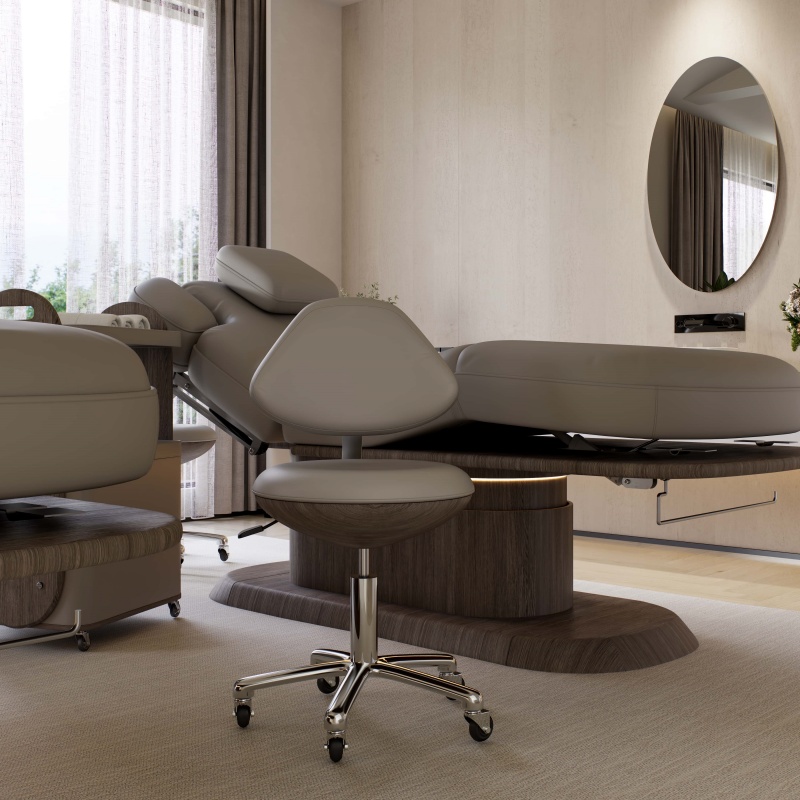
Wet-room spa techniques, such as hydrotherapy treatments and body wrapping, are often associated with specialized wetroom setups equipped with showers and waterproof surfaces. However, it is entirely possible to adapt these treatments for dry room environments without compromising quality or client experience. This guide is for spa owners, therapists, and enthusiasts looking to integrate wet-room techniques into dry spaces efficiently.
Understanding Wet-Room Spa Techniques
Wet-room spa techniques often involve water-based treatments like hydrotherapy, body wraps, and scrubs. These treatments typically require equipment such as Vichy showers, waterproof massage tables, and drainage systems to manage excess water. In a dry room setup, adjustments can be made to simulate similar benefits without requiring a full wetroom design. The key is to focus on minimizing water use and ensuring that surfaces remain dry and comfortable for clients.

Adapting Wet-Room Techniques for Dry Rooms
Transforming wet-room spa techniques for a dry environment requires thoughtful planning and the right approach. For example:
- Body Wraps: Use disposable wraps or thermal blankets combined with pre-moistened cloths to avoid water pooling.
- Hydrotherapy: Incorporate portable steamers or warm towels to simulate the effects of water treatments.
- Exfoliation: Dry scrubs can replace wet scrubs, with soothing oils and lotions applied afterward for hydration.
By using these techniques, you can deliver a comparable spa experience without requiring complex wetroom equipment.
Practical Tools and Techniques
Integrating wet-room spa treatments into a dry room involves leveraging portable equipment and techniques that replicate the feel of a wet spa. Here are some practical tools and strategies:
- Portable Steam Units: These are ideal for creating localized steam treatments without requiring full-room humidity control.
- Thermal Blankets: These can mimic the warming effects of water-based wraps.
- Pre-moistened Towels: Replace water sprays with warmed, damp towels for cleansing and hydration.
- Water-Free Scrubs: Use exfoliating dry scrubs followed by hydrating oils or creams to complete the treatment.
These adaptations allow spa owners to offer popular treatments without needing significant renovations.

Common Mistakes and How to Avoid Them
Attempting to replicate wet-room spa techniques in dry settings can lead to mistakes that compromise the experience. Here are some common pitfalls to avoid:
- Excessive Water Use: Overusing water-based products can lead to discomfort and mess in a dry room.
- Ineffective Equipment: Using tools not designed for dry-room adaptation can result in poor treatment outcomes.
- Ignoring Client Comfort: Ensure all treatments are comfortable and relaxing, even without water immersion.
- Poor Training: Staff should be trained on dry-room adaptations to ensure smooth delivery of treatments.
By addressing these issues, spa professionals can maintain high standards while adapting wet techniques.
Tips you need to know
Tip 1: Use Portable Equipment
Invest in portable steamers and thermal blankets to simulate wetroom effects without requiring permanent fixtures.
Tip 2: Minimize Water Use
Opt for pre-moistened towels and dry scrubs to reduce water dependency while maintaining treatment quality.
Tip 3: Focus on Client Comfort
Ensure the room temperature, surfaces, and materials are all conducive to relaxation and comfort.
Tip 4: Train Your Staff
Provide thorough training on dry-room techniques to ensure treatments are delivered effectively and professionally.