
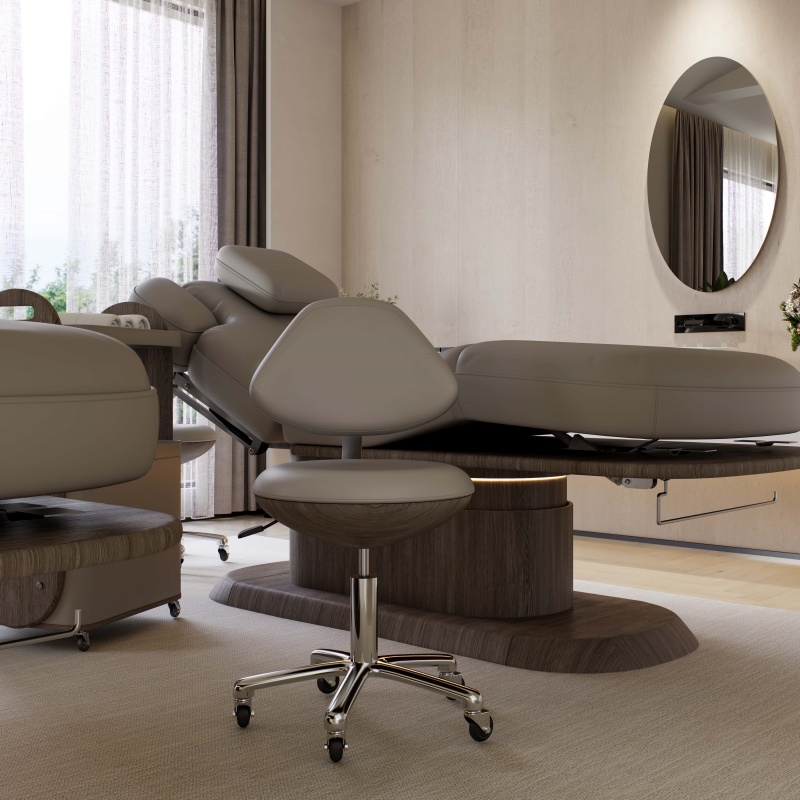
Chiropractic tables are essential tools for chiropractors, offering the necessary support and features to deliver effective treatments. With various types available, it can be challenging to determine which table best suits your practice’s needs. This article is designed to educate chiropractors and clinic owners on the functional requirements of chiropractic and acupuncture tables, helping them make informed decisions.
Understanding the Different Types of Chiropractic Tables
Chiropractic tables come in several designs, each tailored to specific treatment techniques and patient needs. Here are the most common types:
- Drop Tables: These tables feature sections that drop slightly when pressure is applied, assisting with spinal adjustments. Drop mechanisms improve precision and reduce the force needed for adjustments.
- Flexion-Distraction Tables: Designed for decompression therapy, these tables allow movement in multiple directions to relieve pressure on the spine and discs.
- Elevation Tables: These tables can be adjusted in height, making them ideal for accommodating different patient sizes and ensuring chiropractor ergonomics.
- Stationary Tables: Basic yet reliable, these tables are fixed in height and lack advanced features, making them suitable for entry-level practices.
- Hi-Lo Tables: Equipped with hydraulic systems, these tables can transition from a standing position to a flat surface, simplifying patient transfers.
Key Functional Requirements to Consider
When choosing a chiropractic or acupuncture table, the functional requirements should align with your practice’s specific needs. Here are some key factors to consider:
- Weight Capacity: Ensure the table can accommodate the weight range of your patients. Most chiropractic tables support up to 400–450 pounds, but some heavy-duty models can handle more.
- Adjustability: Tables with adjustable height or sections provide greater flexibility for different treatment techniques and patient comfort.
- Durability: Look for tables made from high-quality materials like reinforced steel frames and premium upholstery to withstand daily use.
- Mobility: If you need to move the table frequently, consider models with wheels or lightweight designs.
- Special Features: Additional features like drop mechanisms, traction capabilities, or heat pads may enhance the table’s versatility.
Matching Table Types to Chiropractic Techniques
Different chiropractic techniques may require specific table types. Here’s a breakdown of which tables align with common practices:
- Diversified Technique: Often performed on drop tables to achieve precise adjustments with minimal force.
- Gonstead Technique: Requires a stationary or hi-lo table with a cervical chair for seated adjustments.
- Flexion-Distraction Therapy: Best performed on flexion-distraction tables that allow controlled spinal decompression.
- Extremity Adjustments: A stationary table with firm padding is ideal for arm or leg adjustments.
Common Mistakes When Choosing a Chiropractic Table
Selecting the wrong table can lead to inefficiencies or even discomfort for both the chiropractor and the patient. Here are some mistakes to avoid:
- Overlooking Ergonomics: A table that doesn’t adjust to the chiropractor’s height can cause long-term strain and injury.
- Buying Based on Price Alone: While budget matters, choosing the cheapest table may lead to inadequate features or poor durability.
- Ignoring Patient Comfort: Tables without adequate padding or adjustability can make treatments uncomfortable for patients.
- Failing to Assess Clinic Needs: Consider the specific techniques and volume of patients in your practice before making a decision.
Tips you need to know
Tip 1: Test Before You Buy
Whenever possible, try out different table models to assess their comfort, adjustability, and ease of use.
Tip 2: Check Warranty and Support
Choose a table with a good warranty and accessible customer support to address potential issues down the line.
Tip 3: Plan for Future Growth
Consider investing in a versatile table that can accommodate advanced techniques as your practice evolves.
Tip 4: Prioritize Easy Maintenance
Look for tables with easy-to-clean surfaces and replaceable components to reduce upkeep time and costs.